Automatic Linear Airjet Cleaning Machine Supplier In Ahmedabad
Details of Automatic Linear Airjet Cleaning Machine
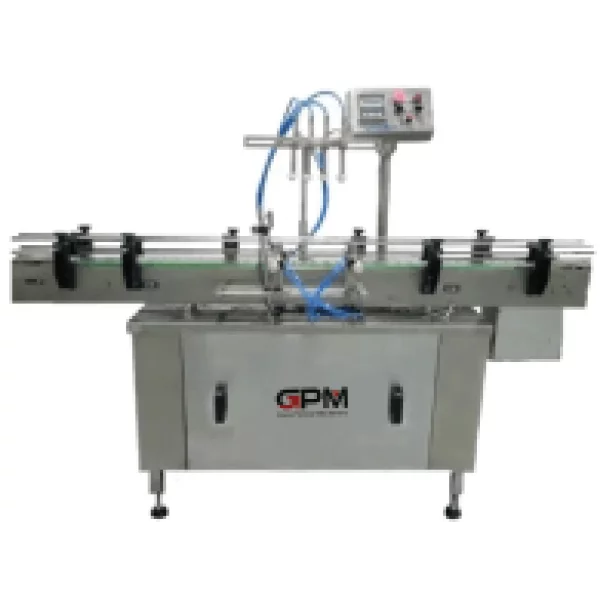
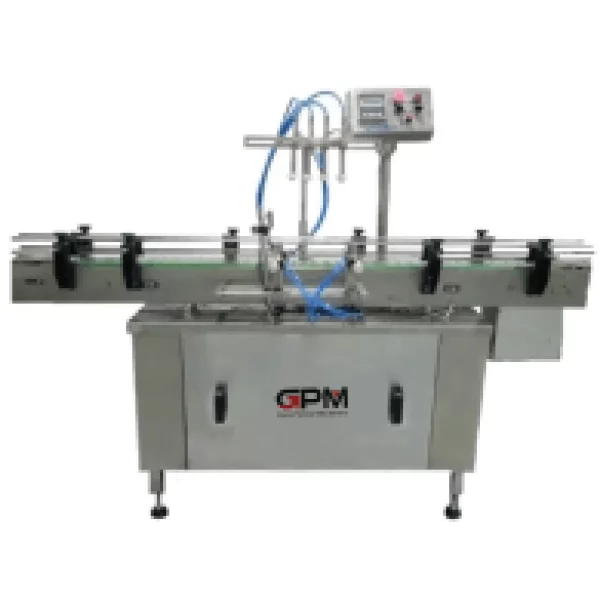
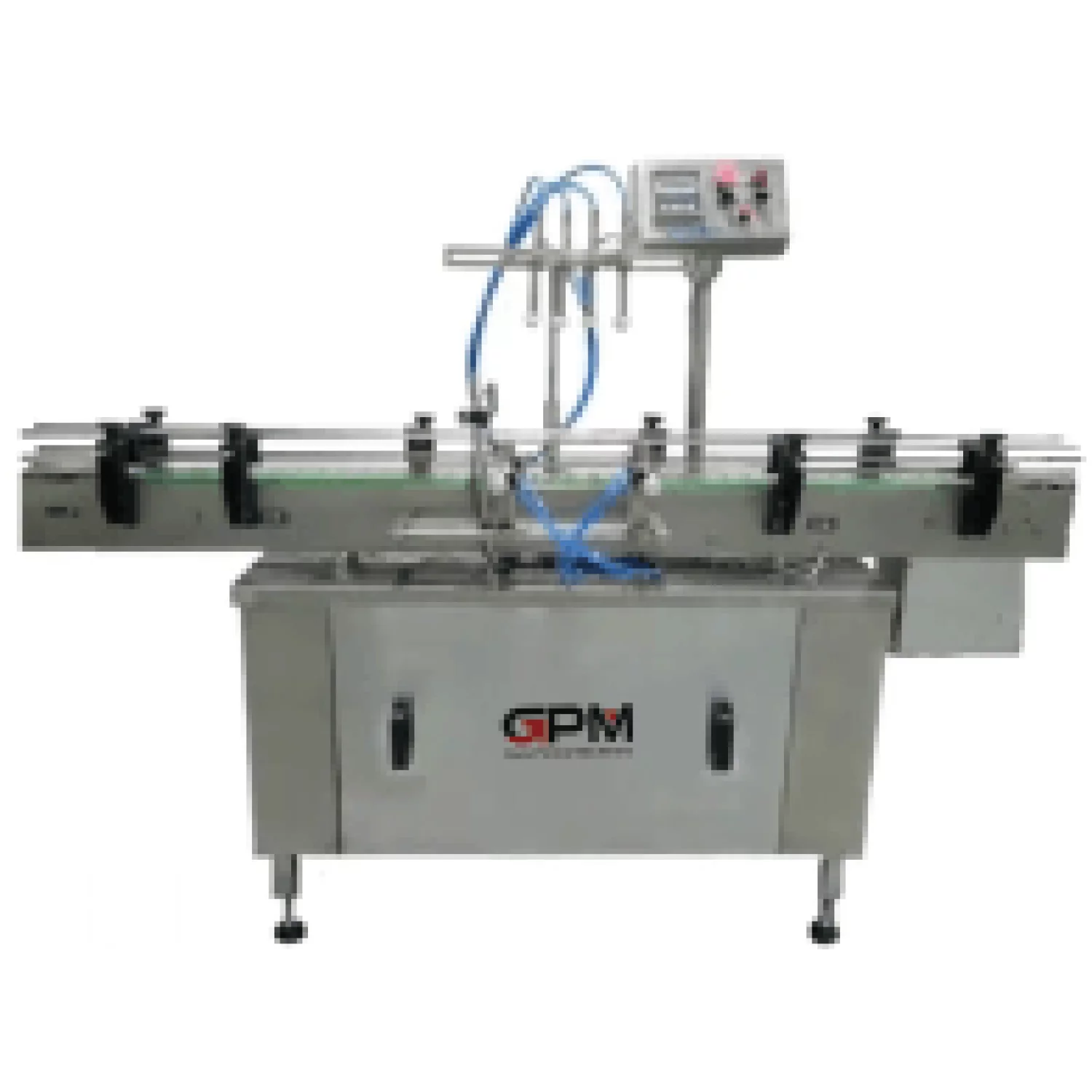
We supply Automatic Linear Airjet Cleaning Machines in Ahmedabad for pharmaceutical bottle cleaning lines. We discuss container size and required output before recommending a head configuration, as the machine has to fit the line rather than stand apart from it. The right fit matters.
Air does the work. The machine uses positive air pressure and vacuum cleaning to remove loose particles from containers before the next packaging step. This method suits lines where air cleaning is required (rather than a water wash). We check the application first.
Head count matters. We offer 2-head, 4-head, 6-head and 8-head configurations, so the choice depends on the required line speed and the containers being handled. More heads aren't automatically the right answer if the rest of the line runs at a lower speed. We look at the full line.
Container shape counts. Bottles need to move through the cleaning section in a controlled manner, and their size and shape should be considered when selecting the machine. We ask for container details early, since a change in bottle format may affect the setup. That check saves time later.
Output needs context. Our range supports output up to 9,000 containers per hour, but that figure shouldn't be treated as the expected output for every model or container. The selected head configuration and actual line conditions matter. We review the requirement against the machine range.
Line speed varies. For example, a line running at 73 bottles per minute needs to handle 4,380 bottles in an hour of continuous running. We use such figures as a starting point (not as a guaranteed hourly result), since stops and changeovers affect daily output. The working rate matters more.
Space can be tight. When we supply a machine for a line in Ahmedabad, we review where it will sit alongside the filling equipment and how containers will move between machines. Access for operation and routine cleaning also needs room. Layout comes before selection.
Send us the details. We need your available floor space, air and power supply details, shift pattern and expected purchase timeline. A bottle drawing or sample can also help us review the application. Share these with us for the next discussion.
Offered Product